息長く続いている,Baugh and Cable の名著 A History of the English Language, 6th ed. を helwa の Taku さんと読み進める超精読会.第65節も終盤です.「#1946. 英語史の古典的名著 Baugh and Cable を読む (65-6) with Taku さん --- helwa 北千住オフ会より」をお届けします.ナビゲーターは,今回も Taku さんこと金田拓さん(帝京科学大学)です.
今回扱うのは「悪魔」「十字架」「復活」「罪」「最後の審判」といった,キリスト教の教義に不可欠な語彙群です.diabolus はそのまま dēofol(devil)として借用されましたが,本来語の同義語 fēond(fiend)も並行して用いられました.十字架は rōd, trēow, gealga.復活は ārīsan(起き上がる)由来の ǣrist.罪を表す語にいたっては,synn のほか mān, firen, leahtor, wōh, scyld と,実に多彩な本来語が並びます.最後の審判は素朴に Doomsday.
借用語と本来語がこれほど豊かに並存していたことに驚かされます.そして本節は,重要な一般論で締めくくられます.他言語からの言語的影響は,取り込んだ借用語の数だけで測れるものなのか.むしろその影響が,言語自身の内なる創造性をどれだけ刺激し,本来語の資源をどれだけ引き出したかにこそ,真の意義があるのではないか.この節は,そんな問いを投げかけて終わります.今回精読した英文を以下に掲げましょう (Baugh and Cable, pp. 86--87) .
Latin diabolus was borrowed as dēofol (devil), but we find fēond (fiend) as a common synonym. Examples might be multiplied. Cross is rōd (rood), trēow (tree), gealga (gallows), and so forth; resurrection is ǣrist, from ārīsan (to arise); peccatum is synn (sin), while other words like mān, firen, leahtor, wōh, and scyld, meaning 'vice', 'crime', 'fault', and the like, are commonly substituted. The Judgment Day is Doomsday. Many of these words are translations of their Latin equivalents and their vitality is attested by the fact that in a great many cases they have continued in use down to the present day. It is important to recognize that the significance of a foreign influence is not to be measured simply by the foreign words introduced but is revealed also by the extent to which it stimulates the language to independent creative effort and causes it to make full use of its native resources.
この B&C 超精読シリーズの過去回は,「#5291. heldio の「英語史の古典的名著 Baugh and Cable を読む」シリーズが順調に進んでいます」 ([2023-10-22-1]) に過去回へのリンクがまとまっています.原書をお持ちの方は,ぜひ音声を副読本代わりに,今回の1節を味わっていただければと思います.
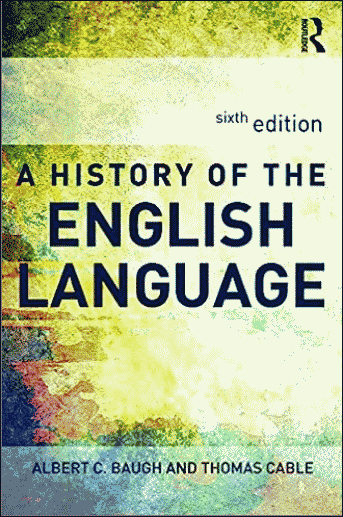
・ Baugh, Albert C. and Thomas Cable. A History of the English Language. 6th ed. London: Routledge, 2013.